
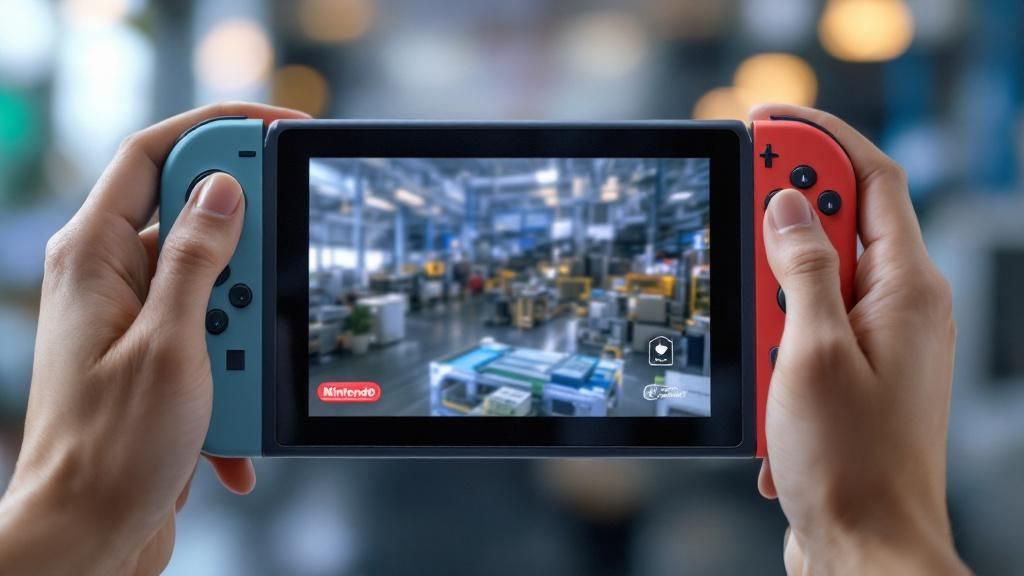
In a substantial move towards environmental responsibility, Nintendo has revealed an ambitious commitment to revolutionise its global manufacturing operations. The gaming giant’s major investment in sustainable practices marks a turning point for the industry, signalling a fundamental change away from traditional production methods. This comprehensive initiative encompasses sustainable energy transition, waste reduction strategies, and responsible procurement practices across all factories across the world. As market demand for environmentally conscious corporations grows, Nintendo’s landmark commitment demonstrates how large corporations are transforming their business models to address critical sustainability issues.
Environmental Responsibility and Global Strategy
Nintendo’s ecological responsibility represents a fundamental shift in how the company manages manufacturing on a global scale. By committing significant resources in eco-friendly methods, the entertainment corporation acknowledges its responsibility to minimise ecological impact throughout all production facility. This strategic initiative reflects increasing demand from consumers for ecological responsibility within the digital technology field. The company recognises that eco-conscious manufacturing is not merely a organisational duty but a critical need for sustained commercial success and sector prominence in an rising sustainability-focused marketplace.
The global strategy incorporates multiple interconnected components developed to achieve comprehensive sustainability across Nintendo’s operations. Sustainable power solutions will supply energy to manufacturing facilities, significantly reducing carbon emissions and consumption of fossil fuels. At the same time, the company is introducing cutting-edge waste minimisation procedures and circular economy principles across its supply chain. These measures demonstrate Nintendo’s pledge to transforming manufacturing practices at scale, confirming that sustainability is integrated within business processes rather than remaining peripheral to fundamental strategic activities.
Nintendo’s financial backing signals a wider industry change where sustainability practices emerges as a key competitive edge. By introducing rigorous sustainability standards across worldwide facilities, the company establishes a benchmark for peers and competitors. This proactive approach responds to legislative demands whilst fulfilling customer expectations for responsible manufacturing. The programme positions Nintendo as an environmental leader within the gaming and tech industries, strengthening corporate image whilst contributing meaningfully to global climate action objectives and sustainable development goals.
Introduction of Green Manufacturing Technologies
Nintendo’s deliberate capital allocation focuses on the implementation of state-of-the-art eco-friendly production technologies across its international production facilities. These innovations include efficient production equipment, sophisticated waste control systems, and eco-conscious material handling techniques. By modernising established factories and constructing new environmentally conscious manufacturing plants, Nintendo seeks to significantly lower its greenhouse gas emissions whilst upholding the quality standards that consumers expect from the firm’s offerings.
Sustainable Energy Integration
A foundation of Nintendo’s environmental commitment involves shifting factories to clean energy alternatives. The company has pledged to deploy solar panels, wind turbines, and geothermal systems at production sites worldwide. This comprehensive strategy to energy generation will substantially reduce reliance on fossil fuels, thereby reducing carbon emissions and decreasing production costs for the future. Nintendo’s initiative demonstrates the widespread understanding that renewable energy represents both an environmental imperative and a financially prudent choice.
The combination of clean energy facilities necessitates significant financial commitment and strategic coordination across diverse geographical regions. Nintendo has worked alongside prominent clean energy specialists to guarantee successful installation of solar, wind, and hydro technologies. These facilities will produce adequate renewable power to operate manufacturing operations, with surplus electricity potentially supplied to regional power systems. This method strengthens local connections whilst demonstrating organisational environmental responsibility.
- Photovoltaic solar arrays installed on manufacturing roofs
- Wind turbine farms constructed near manufacturing facilities
- Geothermal climate control systems implemented
- Energy storage systems utilising cutting-edge battery technology
- Grid connection systems facilitating excess power distribution
Nintendo’s commitment to renewable energy extends beyond mere adherence to environmental requirements. The company recognises that sustainable manufacturing practices improve brand reputation and appeal to environmentally conscious consumers. By achieving energy independence through renewable sources, Nintendo strengthens operational resilience whilst contributing meaningfully to global climate change mitigation efforts. This comprehensive approach positions the company as an sector leader in corporate environmental responsibility.
Extended Sustainability Targets and Effects
Nintendo’s investment approach extends well beyond immediate operational improvements, establishing ambitious targets for the coming decades. The company has pledged to reach net-zero emissions across its entire manufacturing network by 2050, with interim milestones scheduled for 2030 and 2040. These measurable objectives provide transparency and accountability, enabling stakeholders to track advancement systematically. By setting defined schedules and measurable objectives, Nintendo demonstrates genuine commitment to ecological responsibility rather than surface-level environmental claims.
The wider environmental impact of Nintendo’s initiative resonates throughout the gaming industry and beyond. By introducing sustainable manufacturing practices, the company establishes standards for competitors and suppliers alike, spurring widespread adoption of eco-friendly technologies. This ripple effect potentially reduces the combined emissions of electronics manufacturing significantly. Furthermore, Nintendo’s funding encourages innovation in clean energy systems and waste handling processes, supporting multiple sectors and communities globally.
Looking ahead, Nintendo expects significant benefits from this major undertaking. Enhanced sustainability practices should bolster brand standing amongst sustainability-focused buyers whilst lowering ongoing expenses through enhanced performance. The initiative also sets Nintendo as an market frontrunner in organisational accountability, possibly engaging values-aligned stakeholders and skilled personnel. Ultimately, this pledge reflects evolving business values, demonstrating that business returns and sustainability are mutually compatible objectives.
